From Build Plate to Finished Part: Why Post-Processing Matters
The steps between the end of a build and a fit-to-install component often take longer than the printing, and decide whether the part meets its drawing.
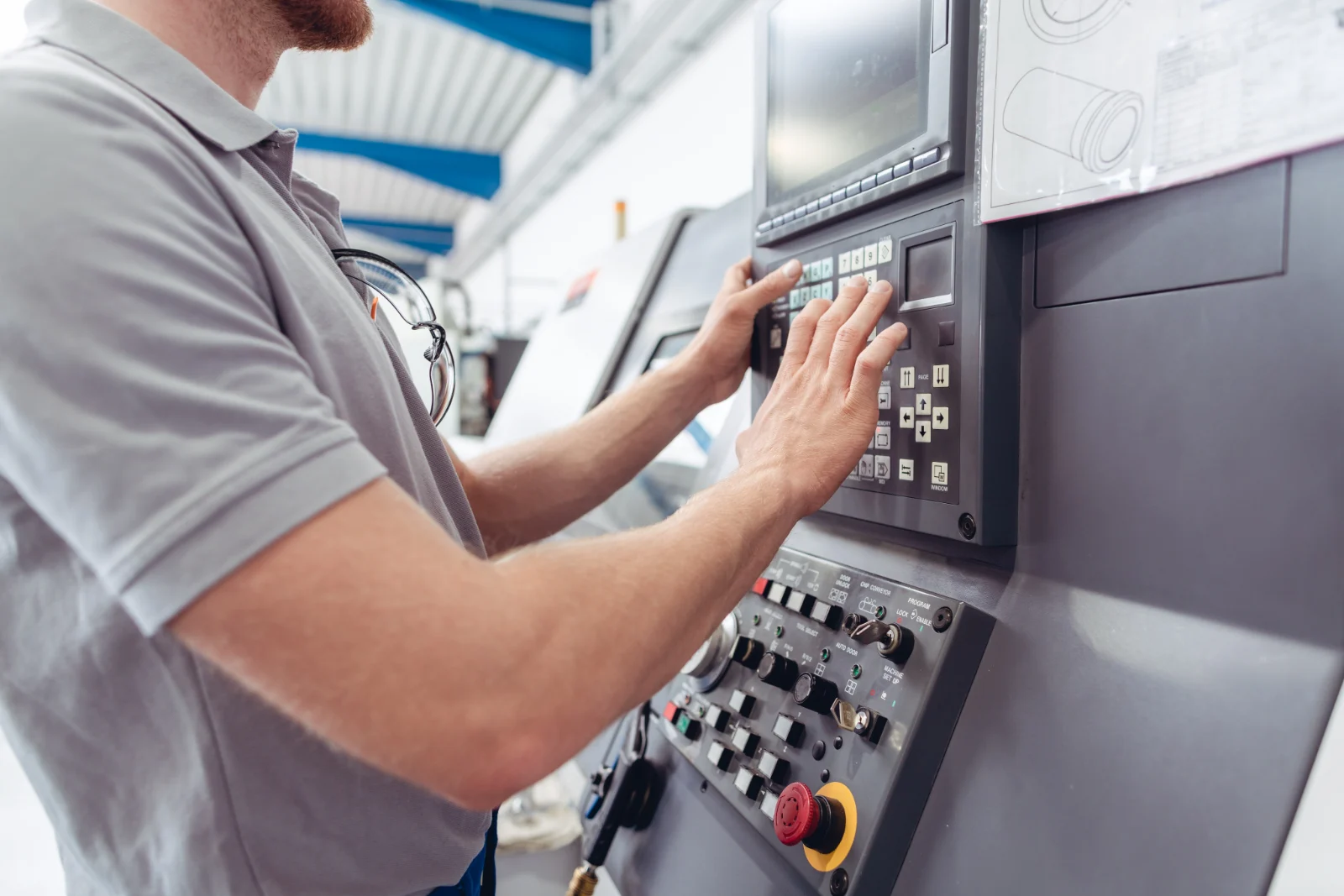
A part lifted off the build plate is not a finished part. Between the end of the build and the moment a component is fit to install sits a sequence of steps that often takes longer than the printing did — and that determines whether the part meets its drawing.
What happens after the build
The order varies with the material and the process, but the shape of it is consistent. Parts are typically stress-relieved while still attached to the plate, because releasing them first lets the locked-in stress from cooling pull the geometry out of tolerance. They are then separated from the plate, and support structure is removed — by hand, by machining, or both.
From there the route depends on what the part has to do. Heat treatment develops the mechanical properties the material is specified for. Hot isostatic pressing closes internal porosity where the application cannot tolerate it. Surfaces that seal, locate or carry a bearing get machined. Everything else may be blasted, tumbled or polished, depending on the finish the part calls for.
Designing with the finishing in mind
The practical consequence is that post-processing has to be planned at the design stage, not discovered at the end of one. A face that will be machined needs machining stock left on it in the build. A datum has to exist as a physical feature that can be located and held, which sometimes means adding material that is cut away later.
Support removal deserves the same attention. Support inside a closed cavity is support that stays there. An internal channel that cannot be reached cannot be finished, inspected or reliably cleaned of loose powder — which is a good reason to design the access in from the start rather than to argue about it afterwards.
Why it belongs in the quote
Because these steps are where a large share of the effort sits, a lead time or a cost that counts only machine hours will be wrong. The honest version accounts for the whole route: build, stress relief, removal, heat treatment, machining, finishing and inspection. Keeping those steps in one facility is mostly about control — every handover between suppliers is a place where a part waits, and where responsibility for it gets blurred.
Placeholder post. This article is stand-in content while the newsroom is being set up. It is general engineering background, not a company announcement.