Building a Quality Record: Inspection and Traceability in Additive
For regulated work the component is half of what is delivered. The other half is the record showing how it was made and how that was verified.
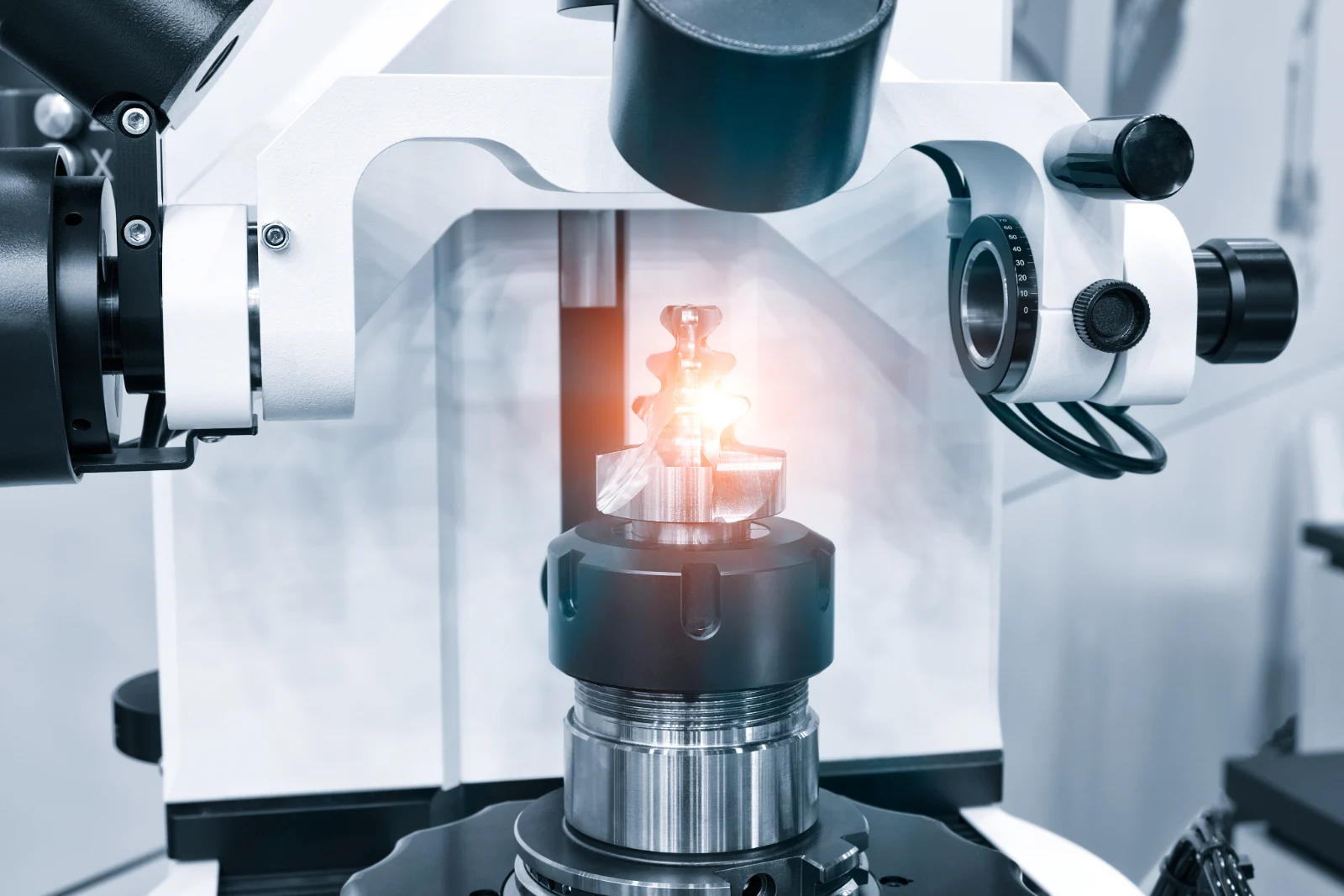
In aerospace, energy and medical work, a part arrives with a history. The component is only half of what is being delivered; the other half is the record showing how it was made and how that was verified.
What the record contains
The specifics depend on the standard being worked to and the customer’s own requirements, but the shape of a quality record for an additive part is fairly consistent. It ties together the material, the build, everything done to the part afterwards, and the checks that confirmed the result.
- Powder lot, its certificate, and how many times it has been reused
- Machine, build file and the parameters the build actually ran with
- Anything the machine logged that departed from those parameters
- Heat treatment and hot isostatic pressing records
- Dimensional results against the drawing
- Non-destructive testing, where the part calls for it
Traceability starts before the build
The part of this that is easiest to underestimate is the powder. Reused powder is normal practice and is not a problem in itself, but it is only defensible if reuse is tracked — which lot, blended with what, used how many times. A record that begins when the build starts has already lost the thread.
The same applies at the other end. If a part leaves the building for heat treatment or finishing and comes back without paperwork, the chain has a gap in it, and the gap is discovered at the worst possible moment: during an audit, or after a part has failed and someone is trying to establish why.
Why inspection is not the last step
Treating inspection as a gate at the end makes it expensive, because everything it finds is found after all the work has been done. Measuring at points along the route — after stress relief, after machining, before final finishing — costs more in checks and much less in scrap. It also produces something more useful than a pass or a fail: a picture of where in the process the variation is actually coming from.
Placeholder post. This article is stand-in content while the newsroom is being set up. It is general engineering background, not a company announcement.