What Additive Manufacturing Changes About Part Design
Building a part layer by layer removes some familiar design constraints and introduces a less familiar set — orientation, support and heat.
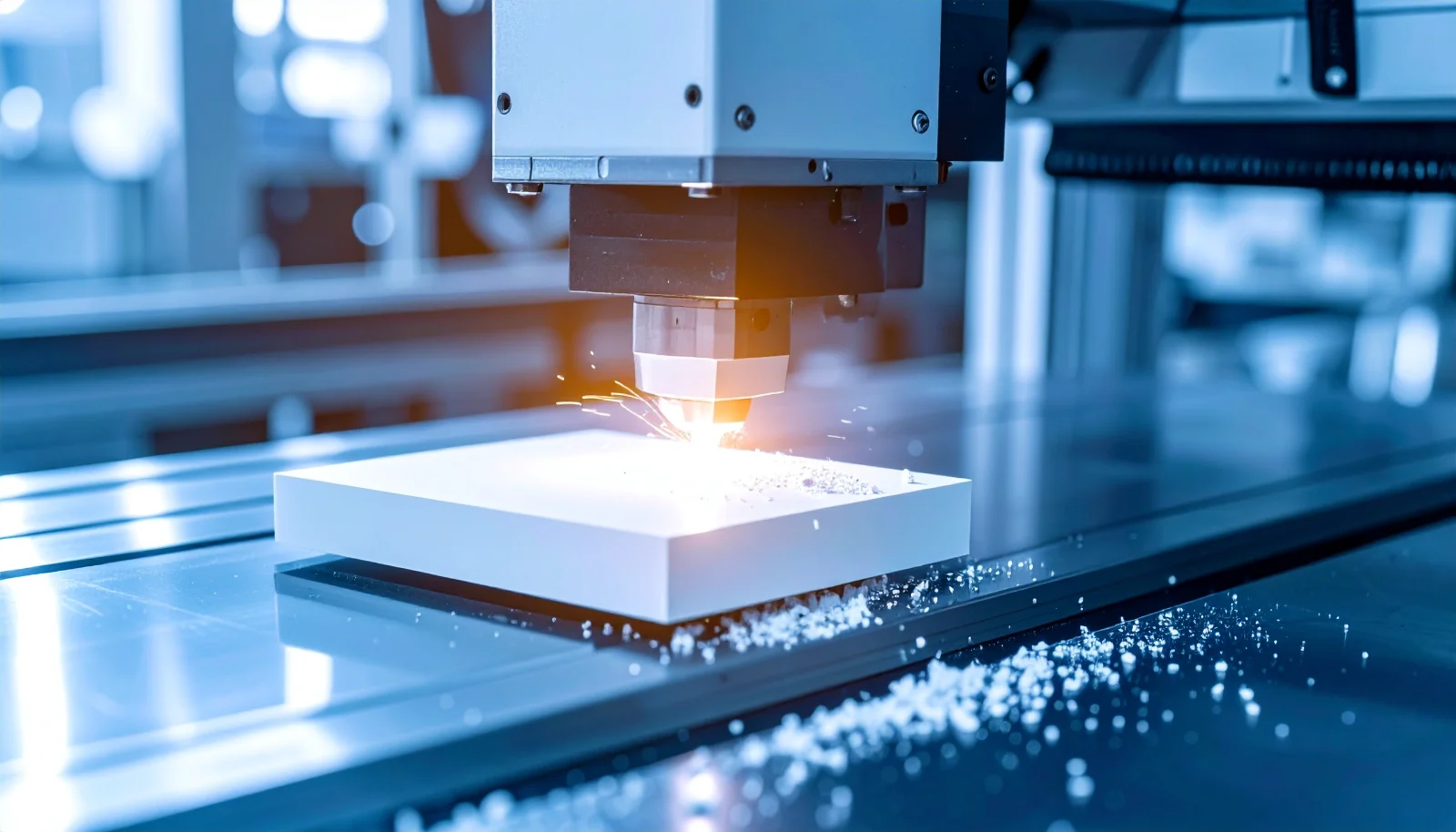
Additive manufacturing is often described as the freedom to build any shape. That is half the story. Building a part layer by layer removes several constraints that shape conventional design — and introduces a different set that has to be designed around just as carefully.
The constraints that go away
A machined part carries the memory of the tool that made it. Internal corners have a radius because the cutter had one. Deep pockets exist only where a tool could reach. Cooling channels run in straight lines because that is how a drill travels.
Building the part up instead of cutting it away relaxes all three. Channels can curve to follow the surface they cool. An assembly of several brackets, fasteners and seals can become one component, which removes the joints along with the labour of putting them together. Material can be placed only where load actually passes through the part, leaving lattice or hollow structure everywhere else.
The constraints that arrive
In their place come new rules, and they are less familiar. Build orientation is a design decision, not a setup detail: it determines which surfaces come out smooth, where supports have to touch the part, and how the part behaves under load, because material properties are not identical in every direction. Overhangs below a certain angle need support structure, and support that cannot be reached afterwards is support that cannot be removed.
Heat is the other one. Each layer melts against the layer beneath it and contracts as it cools, so a large flat section behaves differently from a thin rib. Sudden changes in wall thickness concentrate that stress. Parts are usually stress-relieved before they leave the plate for exactly this reason.
What this means in practice
The parts that benefit most are rarely the ones redrawn straight from an existing machined design. They are the ones reconsidered from the function up:
- Assemblies with several fasteners and sealing faces that could become one part
- Components where weight matters more than raw material cost
- Geometry that no tool can reach — internal channels, conformal cooling
- Low-volume or replacement parts where tooling would never pay for itself
Everything else is a judgement call, and it is usually made part by part rather than by rule.
Placeholder post. This article is stand-in content while the newsroom is being set up. It is general engineering background, not a company announcement.